

Best of Louisville · October 23, 2026
Been thinking about something a Halloween enthusiast in our group said, a quote I’ve shared before: “Louisville loves the macabre.” But plenty of us lie low on Oct. 31. I am thinking of a friend who once told me he has always been a bit anxious around all the role-playing, all the pretending to be something we’re not, that comes with Halloween. More of a Thanksgiving guy.
That got us thinking about what it feels like to pretend — the situations when it’s fun and even kind of generous vs. when it feels a bit stifling or exhausting.
This week, I’m hoping you’ll explore some of those situations with us here:
I recently asked us how surprising and how important we all found a series of local headlines, and last time we turned to another news story: federal agents seizing more than 250 pounds of meth in northeast Louisville.
To start, we just wanted to know:
Have you heard about a recent drug bust in Louisville?
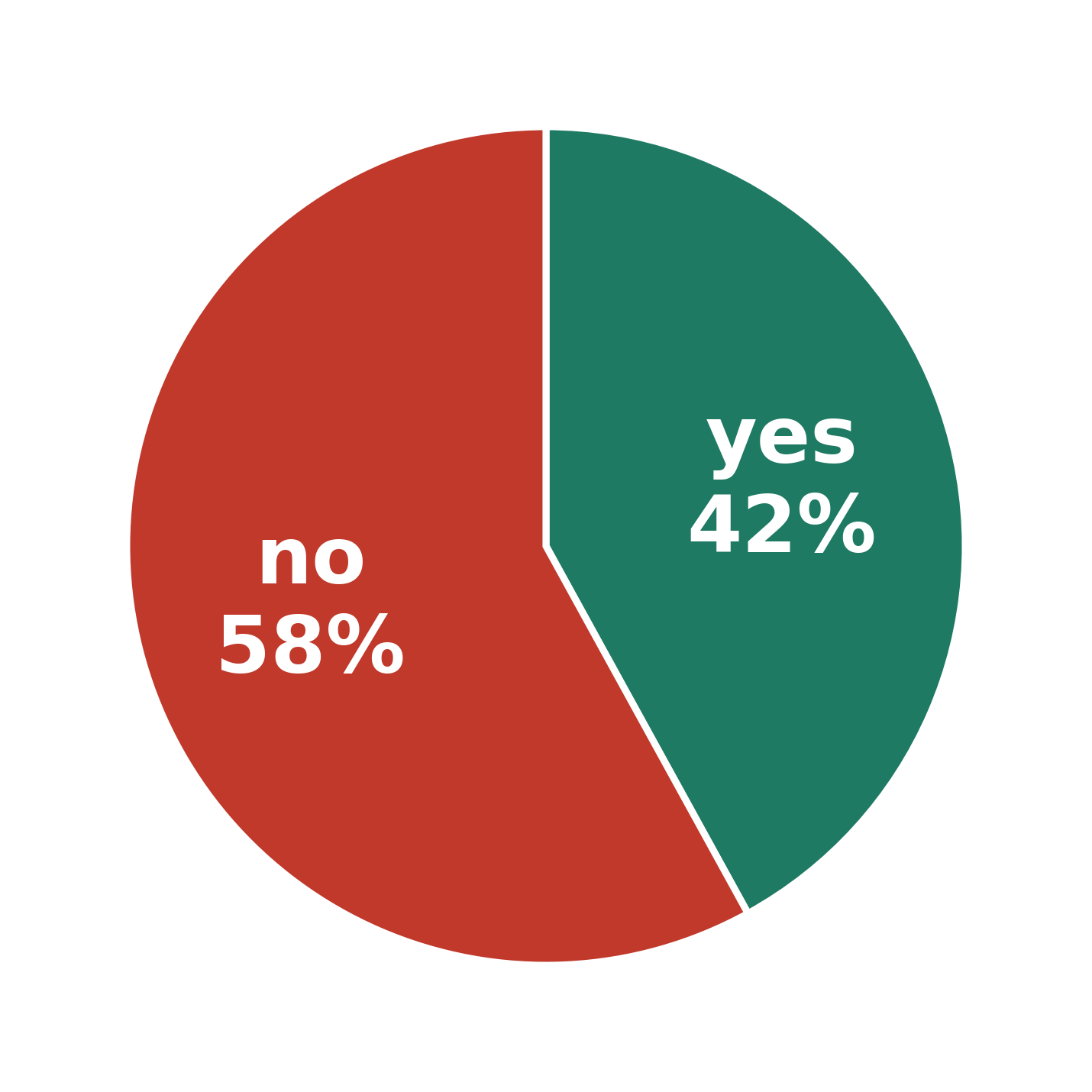
I hadn’t heard about the story either until one of us in the group forwarded it to me and suggested we ask about it. What’s believed to be the biggest meth seizure in Kentucky history didn’t register on the radar for me — or for nearly 60% of us. Made me ask myself: Has the prevalence of drugs made stories about them feel pedestrian?
To get into it a bit, I also asked us:
On a scale of zero (not at all) to 10 (a great deal), how much do you think each of the following plays a part, if at all, in drugs arriving in Louisville?
– consumer demand
– cartels and dealers
– the problems of addiction
– law enforcement and policy
– cultural or spiritual deficiencies
And here’s our breakdown:
Contributes to drugs arriving in Louisville?
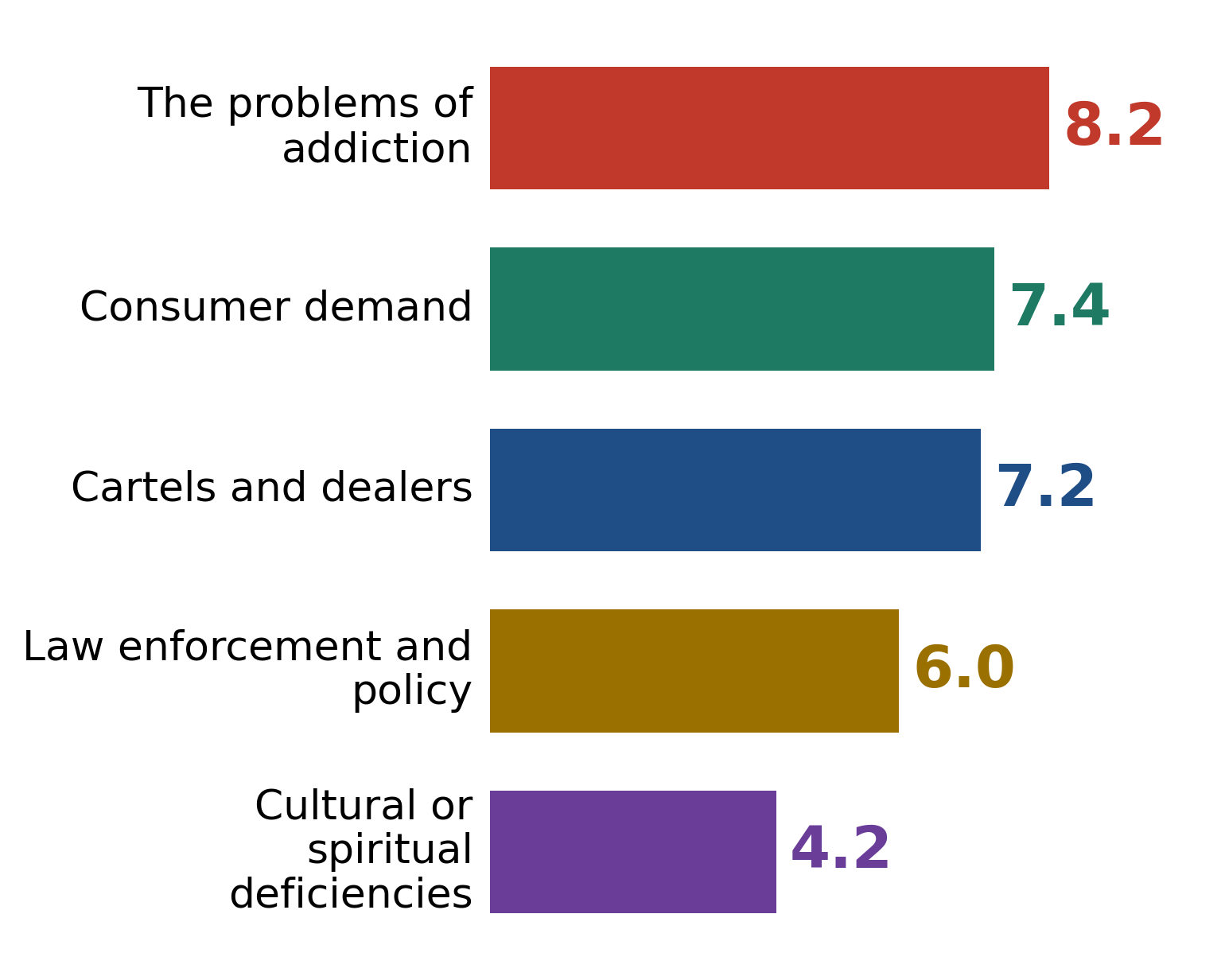
Spending time with our answers, one thing that jumped out was how so many of us thought I was missing a choice: Louisville’s location. One of us said, “Being on major north-south and east-west interstates makes Louisville ideal for mass distribution. Our city’s strength in logistics — the same convenient geography that makes us a good home for UPS and other businesses — also makes us an ideal location for drug trafficking.”
Some weeks we have fun with our questions, asking about our favorite parks or which season is best in Louisville or what our city’s theme song should be. But last time was much heavier, with folks opening up about that top answer — the problems of addiction (registering at a collective 8.2 out of 10). People in our group have “seen addiction in all social circles and tax brackets,” have “many more friends and family addicted to much stronger drugs than in years past,” have lost a son to an overdose seven years ago.
We shared even more while answering this open-ended one:
How has your view of drug issues in Louisville and beyond changed as you’ve grown older, if at all?
Our answers about what has changed seemed to fall into a few categories.
How we think about the drugs themselves
“Drugs back in the ’80s when I was a kid were available, but I really don’t feel as if they were quite as addictive as they are now.”
“The drugs themselves have changed. They are, by nature, more incapacitating, addictive, corrosive and far-reaching in their destructive implications.”
How we think about treatment
“As I’ve grown older, I’ve come to understand better the realities of overcoming addiction, and the barriers to receiving treatment. Certainly, preventing addiction from taking hold to begin with is important, but seeking and getting treatment — particularly given the stigma surrounding addiction — is almost impossible in some situations.”
“A lack of addiction services, treatment and apathy fuel addiction. We’re a country where we don’t make mental healthcare easily accessible and despair runs rampant among a general population that can’t afford basic necessities.”
How we think about addiction
“I now know more about addiction as a disease as opposed to a character flaw. I grew up in the era of D.A.R.E. — drugs are bad, so just don’t. But as I got older, I realized that that’s not a complete picture of the very complicated nature of drugs and addiction.”
“My brother is an addict, in and out of recovery, so I have a somewhat unique perspective. I think when I was younger, I viewed addiction as a decision, a character deficit, a flaw. As I get older, and see my brother struggle, I see it as it truly is — a disease. Moreover, I see it as a disease that can be treated.”
Here’s this week’s link again if you’d like to weigh in:
I wasn’t really sure how to end this week’s note, just thinking about the seriousness of everything we all had to say last time. So I thought I’d just include something that made me laugh.
I was driving my seventh-grader, Emilia, to school the other morning, and as she gazed out the window, noticing the weather near the baseball field on Bellarmine’s campus, she hit me with one that left me flustered:
“Dad,” she asked, “what is fog?”
What IS fog? I thought to myself, then spit out, “Um, like rain suspended in the air?” (I looked it up later, sent her a screenshot of the definition: “Fog is a low-lying cloud made of tiny water droplets…”)
For those of us who do love the macabre, here’s hoping for some rain suspended in the air on Halloween night. — Josh